
Last Updated: October 25, 2026
Quick Summary
Quality craft beer is brewed in small batches by an independent brewery using traditional ingredients and controlled fermentation, judged by consistency and freedom from defects rather than strength or hype. Discipline, not brewery size, separates quality craft beer from flawed beer.
- Craft breweries are defined by small size, independence, and traditional ingredients like water, malt, hops, and yeast.
- Fermentation temperature control prevents fusel alcohols, diacetyl, and stalled yeast that ruin a batch.
- Judge beer by appearance, aroma, flavor, mouthfeel, and finish, comparing each against the style’s intent.
- Freshness matters most: hops fade, oxidation creeps in, and light destroys hop compounds in minutes.
- Brewers track gravity, pH, IBU, color, carbonation, and dissolved oxygen to confirm batch-to-batch repeatability.
Table of Contents
- What Makes a Quality Craft Beer: The Core Standards
- What Makes a Craft Brewery Different From Mass-Production
- Ingredients and Brewing Techniques That Build Quality
- Craft Beer Flavor Profiles and How to Read Them
- How to Taste Craft Beer Like a Judge
- Beer Freshness and Storage: Why Serving Conditions Matter
- Objective Quality Measures and Common Off-Flavors
- Choosing Your Next Quality Craft Beer Pour
- Frequently Asked Questions
What Makes a Quality Craft Beer: The Core Standards
Quality craft beer is brewed in small batches by an independent brewery using traditional ingredients and controlled fermentation, judged by consistency and freedom from defects rather than strength or hype.
“Craft” describes who made the beer and how much of it. “Quality” is a separate judgment about whether the brewer controlled the process. A small brewery can make a flawed beer; a large one can make a clean one.
What Makes a Craft Brewery Different From Mass-Production
The difference comes down to ownership, batch size, and how decisions get made. A craft brewery is small, independent, and traditionally minded; a mass-production facility optimizes for volume and shelf stability. The Brewers Association craft brewer definition sets the benchmark most of the industry uses, and it hinges on three things: size, independence, and traditional ingredients.
Independent Ownership and Small-Batch Production
Independence changes what a brewer is allowed to do. Answering to a parent company’s quarterly targets pushes toward consistency at scale and broad appeal; independent ownership lets a brewer make a bitter, hop-forward pilsner for a narrow audience and still keep the lights on.
Small batch size makes quality control achievable: a brewer working with a few barrels can taste every batch, adjust fermentation temperature by the hour, and dump a batch that goes wrong.
Ingredient Sourcing and Traditional Methods
Traditional ingredients mean water, malted grain, hops, and yeast, without adjuncts like rice or corn syrup used purely to lighten the body and cut cost.
Sourcing is a quality decision, not a marketing one. Malt varies by harvest and maltster; hops lose potency as they age and degrade faster when stored warm. A brewery that tracks lot numbers, storage temperature, and supplier consistency is doing the unglamorous work that shows up in the glass.
Ingredients and Brewing Techniques That Build Quality
Four ingredients decide most of what you taste, and the brewer’s control over them decides whether the beer is clean or flawed. Get water chemistry, malt bill, hop schedule, and yeast health right and the beer has a chance; get any one wrong and you’ll taste it immediately.
Water, Malt, Hops, and Yeast: The Four Building Blocks
Water is the largest ingredient by volume and the one home brewers underestimate.
Malt supplies fermentable sugar, color, and much of the body and mouthfeel. High-grade malt, stored dry and used fresh, gives clean sweetness.
Hops deliver bitterness, aroma, and flavor. Freshness is everything here. Hops oxidize, and oxidized hops taste like cheese or damp paper.
Yeast turns sugar into alcohol and carbon dioxide.
Fermentation, Yeast Health, and Temperature Control
Fermentation is where quality is won or lost, and temperature control is the lever. Too warm and you get fusel alcohols, solvent-like heat, and fruity esters in styles that shouldn’t have them; too cold and the yeast stalls, leaving diacetyl, that buttered-popcorn slickness.
Yeast health gets less attention than it deserves. Brewers who pitch the right cell count, oxygenate properly, and repitch healthy slurry get consistent beer batch after batch.
Craft Beer Flavor Profiles and How to Read Them
Flavor in beer comes from four places: malt sweetness and toast, hop bitterness and aroma, yeast character, and fermentation byproducts. Once you can name what you’re tasting, you can judge whether it belongs in the style, and whether the brewer executed it cleanly.
The trap is treating one flavor profile as universally “good.” A hop-saturated double IPA and a soft, malt-forward helles are both excellent, and the standards for each differ. Quality is execution within a style, not intensity.
What Balance Means Across Styles
Balance is the most misused word in beer writing. It doesn’t mean “mild” or “middle of the road.” It means the elements are in the proportion the style intends.
- Lager and pilsner: clean, crisp, low ester, hop bitterness in balance with pale malt. Cleanliness is the point, so flaws show up fast. A sulfur note at low levels can be style-appropriate in some lagers; a buttery diacetyl note never is.
- Pale ale and IPA: hop-forward, with bitterness, aroma, and a dry finish. Freshness decides whether you taste citrus and pine or stale cardboard. Bitterness should be firm but not harsh, and the malt should support rather than compete.
- Stout and porter: roasted malt, coffee and chocolate notes, fuller body. Balance matters more than intensity, roast should be smooth, not ashy or acrid.
Desirable Versus Undesirable Traits by Family
A quick reference for what to look for and what to flag:
| Family | Desirable | Undesirable |
|---|---|---|
| Lager / pilsner | Clean fermentation, crisp finish, balanced hop bitterness | Diacetyl, DMS (cooked corn), acetaldehyde (green apple) |
| Pale ale / IPA | Fresh hop aroma, dry finish, firm bitterness | Oxidized cardboard, harsh bitterness, muted aroma |
| Stout / porter | Smooth roast, coffee and chocolate, full body | Ashy or acrid roast, thin body, metallic notes |
| Sour / wild | Bright acidity, layered funk, clean finish | Vinegar, bandage, mousey notes, flat flavor |
| Wheat / Belgian | Expressive yeast, clove or banana, light body | Solvent heat, harsh phenols, muddled yeast character |
How to Taste Craft Beer Like a Judge
Judging beer is a skill anyone can build in an afternoon. Evaluate appearance, aroma, flavor, mouthfeel, and finish, in that order, and compare what you taste against what the style promises. No secret palate required.
A Practical Sensory Evaluation Framework
Use this sequence every time you try something new:
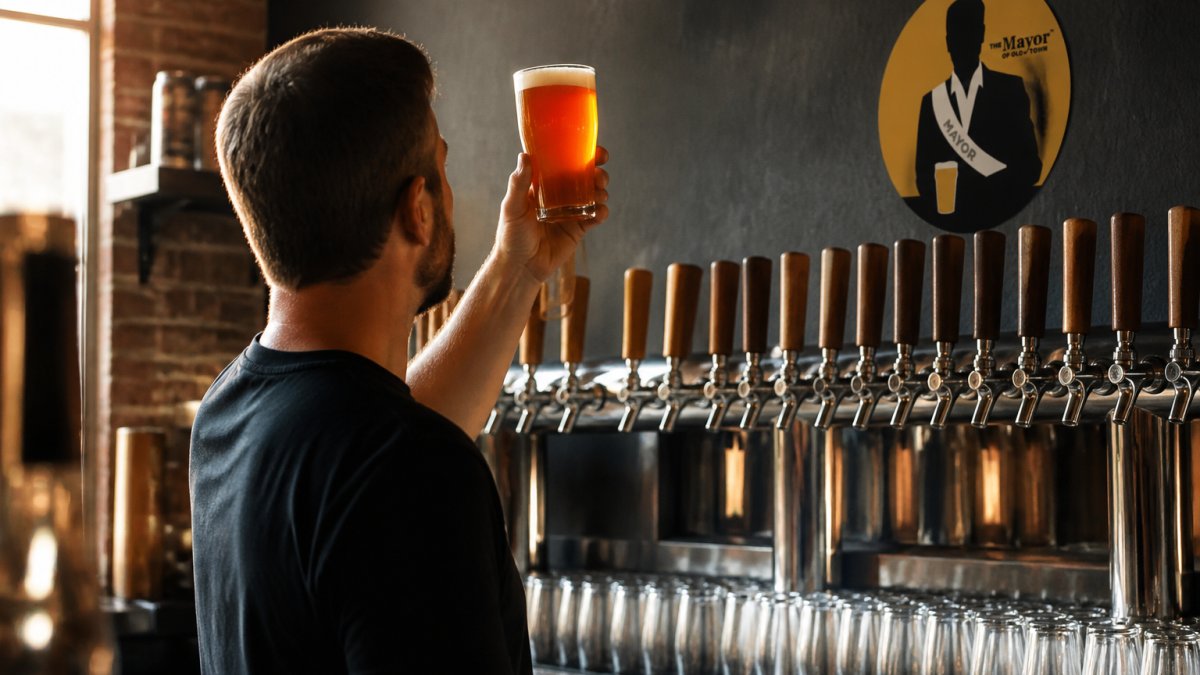
- Appearance. Hold the glass to light. Look for clarity or expected haze, color within style range, and a head that holds. A dead, fizzless pour suggests a serving problem.
- Aroma. Swirl, then sniff before you sip. Name what you find: citrus, pine, bread crust, roast, clove. Then check whether it matches the style.
- Flavor. Take a small sip and let it warm across your tongue. Bitterness should balance malt sweetness; neither should dominate by accident.
- Mouthfeel. Note body, carbonation, and any astringency or heat. Thin and watery or thick and syrupy are both style-dependent judgments.
- Finish. What lingers? A clean, dry finish signals good fermentation. A lingering butter, cardboard, or green-apple note signals a defect.
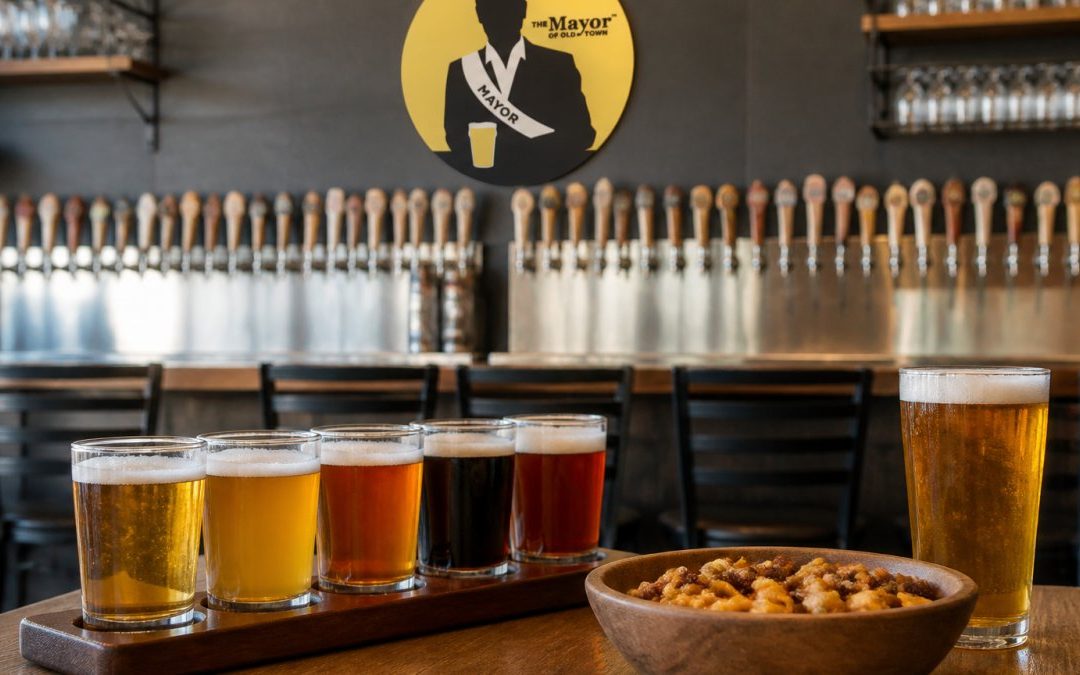
The single most useful habit: taste two beers side by side. Comparison sharpens your palate faster than anything else, which is why ordering a flight beats ordering a pint when you’re learning. How to Choose Craft Beer Flights: A Beginner’s Guide walks through picking a flight to compare beers side by side.
Beer Freshness and Storage: Why Serving Conditions Matter
Freshness is the most underrated quality factor in beer, and the one you can control as a drinker. Hops fade, oxidation creeps in, and light destroys hop compounds in minutes. A flawless beer served six months old and warm tastes worse than an average beer served fresh.
What to watch for on the serving side:
- Lightstrike. Clear and green bottles let UV light through, which is why beer in them can smell skunky. Cans and brown glass protect better.
- Temperature. Serve too cold and you mute aroma and flavor. Serve too warm and you amplify alcohol heat and any flaws.
- Turnover. A tap list that rotates means fresher beer. How to Find Rotating Craft Beer Taps: A Step-by-Step Guide shows how to track down bars with rotating taps. A bar with a hundred taps and no turnover is a warning sign, not a selling point.
That last point is why we keep our list moving.
Objective Quality Measures and Common Off-Flavors
Quality has objective markers, and the fastest way to learn them is to learn what defects taste like. A beer can be brewed exactly to style and still be flawed, and flaws are consistent enough that trained tasters agree on them. Sensory judgment is only half the picture; the other half is measurable.
The Measurable Side of Quality
Brewers track a handful of numbers that tell them whether a batch is on target and whether it will stay that way:
- Original and final gravity. These set alcohol by volume and indicate whether fermentation finished. A beer packaged before it hits its expected final gravity will taste green or sweet.
- pH. Finished beer typically sits in a fairly narrow range depending on style. A pH that drifts out of range can signal infection or a process problem, and it affects how bitterness and acidity read on the palate.
- Bitterness (IBU). Measured bitterness should match the style’s intent. A number that doesn’t match the sensory experience is a clue something else is going on.
Batch-to-batch repeatability across these numbers is the quiet test of a good brewery. Anyone can nail a beer once.
Diagnosing Common Off-Flavors
The common defects, what they taste like, and where they usually come from:
- Cooked corn or DMS. A vegetal, creamed-corn note, usually from a covered boil or a slow chill.
- Diacetyl. Buttered popcorn or butterscotch, from incomplete fermentation or a bacterial infection.
- Acetaldehyde. Green apple or pumpkin, from beer packaged before fermentation finished.
Technical Flaws Versus Personal Preference
A beer can be technically flawless and still not be to your taste. Disliking a sour or finding a double IPA too bitter is a preference judgment, not a quality judgment. A flaw is something the brewer didn’t intend, diacetyl in a pilsner, oxidation in a fresh IPA, vinegar sharpness in a clean sour. Separating the two is what turns a drinker into a taster.
Judge beer on process, freshness, and style accuracy, not on how rare the release is or how high the ABV reads. A clean, fresh, style-accurate beer from a small brewery beats a hyped, oxidized one every time.
Choosing Your Next Quality Craft Beer Pour
Judge beer on process, freshness, and style accuracy, not on how rare the release is or how high the ABV reads. That framework is more reliable than any badge on a label.
The real challenge isn’t finding craft beer. It’s finding a bar where the beer is fresh, the lines are clean, the staff can tell you what you’re drinking, and nobody rushes you out the door.
Frequently Asked Questions
What qualities should you look for in a good craft beer?
Start with balance: no single element, whether bitterness, sweetness, or alcohol, should overwhelm the others. Check the aroma for fresh hop or malt character, the appearance for proper clarity or expected haze for the style, and the finish for cleanliness. A quality craft beer tastes intentional and free of off-flavors like cooked corn, cardboard, or butter. Consistency across batches and correct serving temperature also signal a well-made beer.
How can you tell if a craft beer is fresh?
Freshness shows up in the aroma and flavor. Hop-forward styles like IPAs lose their bright, citrusy character within weeks, so a dull or grassy smell can mean the beer is past its prime. Check for a packaged-on date when available, and pay attention to storage: beer kept cold and away from light holds up far longer. At a bar, a clean, lively pour with proper carbonation is a good sign the keg is fresh.
Does a higher ABV mean a beer is better quality?
No. Alcohol by volume measures strength, not quality. A 4% pilsner or session ale can be every bit as well-crafted as a 10% imperial stout. What matters is whether the alcohol is integrated and balanced with the malt, hops, and fermentation character. High-ABV beers can actually mask flaws, while lower-alcohol styles leave nowhere to hide, so a clean, flavorful low-ABV beer often signals strong brewing skill.
What makes a beer balanced?
Balance means the malt sweetness, hop bitterness, carbonation, body, and alcohol sit in proportion to each other and to the style. In a pilsner, crisp bitterness and a dry finish are balanced; in a stout, roasted malt and smooth body lead. Balance is style-specific rather than a single formula. A balanced beer tastes complete, with a clean finish that makes you want another sip rather than a cloying or harsh aftertaste.
What is the difference between craft beer and regular beer?
Craft beer comes from small, independent breweries that typically use traditional ingredients and hands-on brewing methods, while mass-produced beer is made by large corporations at high volume with cost-driven recipes. The difference shows up in flavor range, ingredient sourcing, and experimentation. That said, craft status alone does not guarantee quality. A well-made mass-market lager can be clean and consistent, and a craft label can still hide flaws, so judge the beer in the glass.
How should you taste a craft beer?
Pour into a clean glass, let it warm slightly from fridge-cold, and look at the color and head first. Swirl and smell before you sip, since aroma drives most of what you taste. Take a small sip to coat your palate, note the flavors and body, then swallow and judge the finish. Compare it against the style’s expected profile. Cleansing your palate with water between samples keeps your impressions accurate.
