
Table of Contents
- What Is a Beer Flight and Why It Matters
- Beer Tasting Order Best Practices
- Craft Beer Styles for Beginners
- How to Taste Craft Beer Like a Professional
- Building Your Perfect Flight
- Managing Palate Fatigue and Pacing
- Flight Etiquette and Getting the Most From Your Experience
- Frequently Asked Questions
Last Updated: October 4, 2026
What Is a Beer Flight and Why It Matters
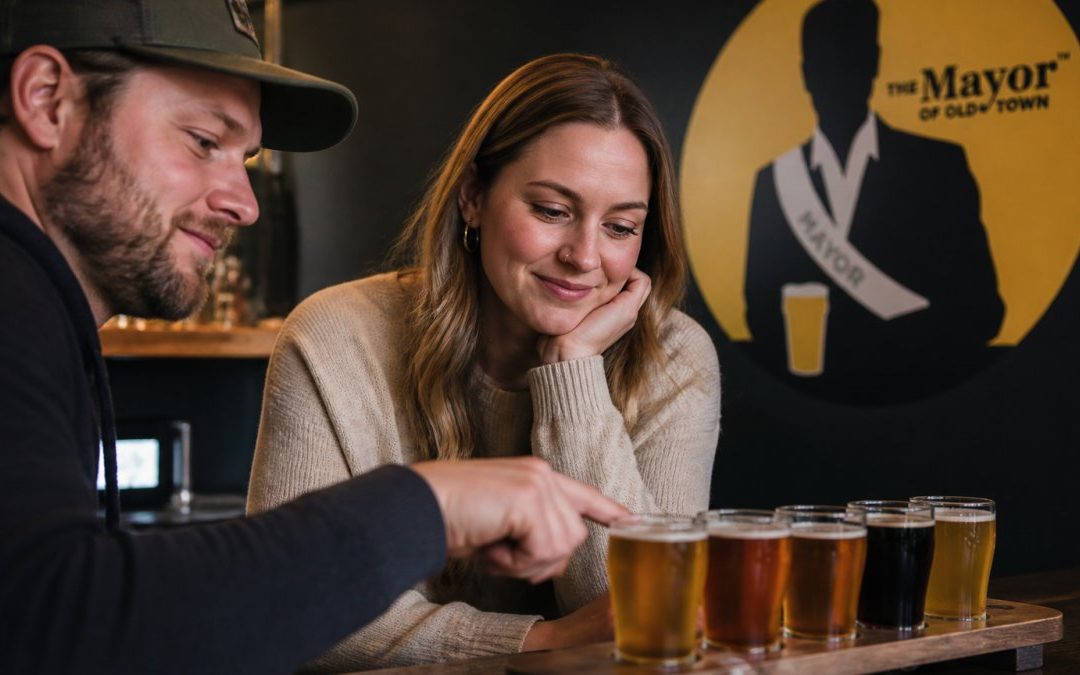
A beer flight is a curated selection of small pours, typically 4-6 samples, that helps you choose craft beer flights to taste multiple styles in one sitting. Each pour is usually 2-4 ounces, designed to showcase different styles, flavors, and brewing techniques without overwhelming your palate.
Flights let you compare styles side by side, discover new favorites, and understand what makes each beer unique. They solve the paralysis of choosing from dozens of options by giving you structure and direction.
Beer Tasting Order Best Practices
Start light and move toward darker, more intense beers. Light beers have delicate flavor notes that heavier beers can mask; once you’ve tasted a bold stout, a subtle pilsner feels flat. The sequence: light lagers → pale ales and lighter IPAs → darker ales and stouts. Between pours, skip water unless your mouth feels coated; a small bite of bread or pretzel resets your palate without diluting the next beer’s flavor.
Taste beers in the order they’re designed, not the order you want them. Your palate will thank you, and you’ll actually taste the differences between styles.
Craft Beer Styles for Beginners
Understanding beer styles helps you make better choices. Start with these four categories.
Light Lagers and Pilsners
Light lagers are crisp and clean; pilsners are a specific type of lager with slightly more hop character and a spicy or herbal note. You’ll notice light color, minimal head retention, and a clean finish. Best for beginners, these styles won’t shock your palate.
Pale Ales and IPAs
Pale ales bring hop flavor without being aggressive; IPAs are hoppier and more bitter. You’ll notice golden to amber color, pronounced hop aroma (citrus, pine, floral), and a dry finish. A standard pale ale sits at 40-50 IBU; an IPA typically hits 60-100 IBU. Start with a pale ale before jumping to a high-IBU IPA.
Stouts and Porters
Stouts are heavier and more intense; porters are similar but slightly lighter. Both have dark color, thick head retention, and flavors of chocolate, coffee, or roasted grain with a creamy mouthfeel. Save these for the end of your flight, when your palate is ready for bold flavors.
The best flight mixes styles so you taste the full range of what craft beer can be, from crisp and clean to rich and complex.
How to Taste Craft Beer Like a Professional
Follow these steps to notice flavors and aromas most people miss.
Appearance: Color and Clarity
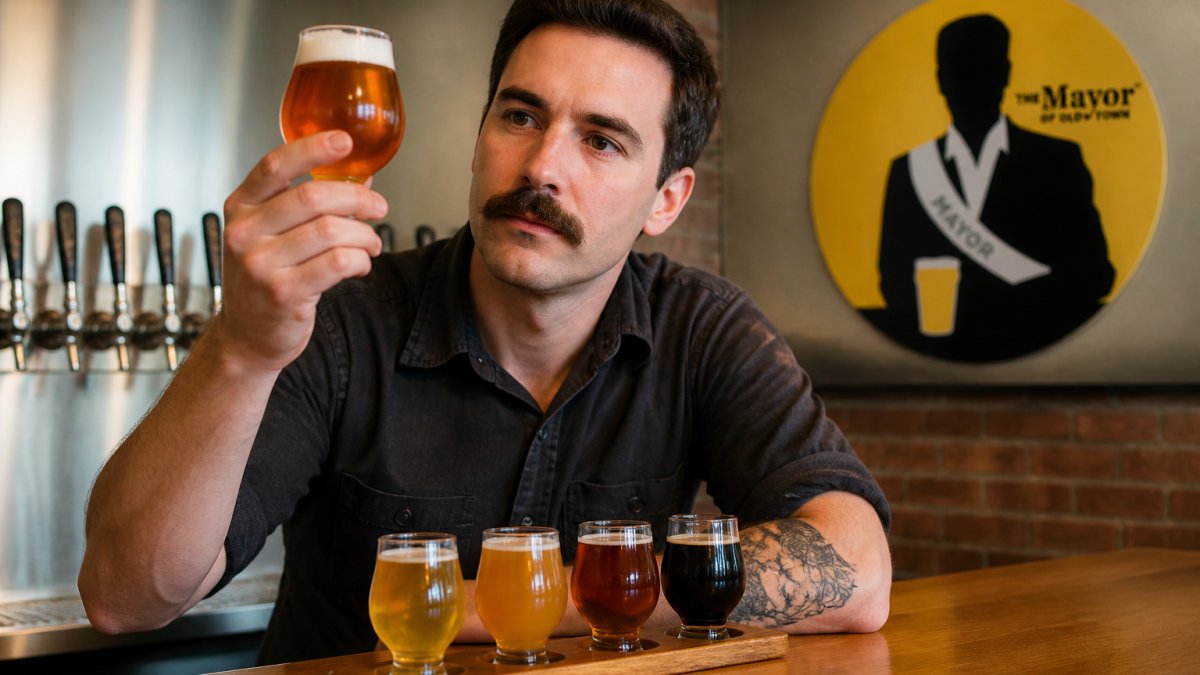
Hold the glass up to the light. Color tells you about the malt: light beers use pale malt, dark beers use roasted malt. Some styles are intentionally hazy (like New England IPAs); others should be crystal clear. Cloudiness in a beer that should be clear signals it’s past its prime or wasn’t handled properly.
Aroma: What Your Nose Tells You
Stick your nose into the glass and breathe in. Your nose detects aromas your taste buds can’t. A hoppy beer will smell like citrus or pine; a stout will smell like roasted coffee or chocolate. Take two or three sniffs, aromas open up as the beer warms slightly.
Taste and Mouthfeel
Take a small sip and let it sit on your tongue. Notice the flavors (bitter, sweet, fruity, spicy) and mouthfeel (the texture and weight, light and crisp, or heavy and creamy). Swallow slowly and note the finish: the flavor that lingers after you swallow.
Building Your Perfect Flight
A great flight balances variety with harmony. You want different styles, but they should flow together logically.
Balancing Flavor Intensity
Start with lighter beers and move toward darker, more complex ones. Intensity isn’t just about color, a hoppy pale ale can be more intense than a smooth porter. A balanced flight: crisp pilsner → pale ale → IPA → stout. Each step builds on the last, preparing your palate for complexity.
Considering ABV and IBU
ABV (alcohol by volume) affects how the beer feels; higher ABV beers feel warming and fuller. IBU (International Bitterness Units) measures hop bitterness. Mix high and low IBU, if your first beer is 40 IBU, your next might be 25 IBU to give your palate a break and keep tasting interesting.
Three high-IBU beers in a row will numb your ability to taste subtle flavors. Space them out, or alternate with lower-IBU styles.
Customizing Your Own Flight
When you choose craft beer flights, build around what you want to explore: style exploration, a hoppy showcase, dark and bold beers, seasonal rotation, or local focus. The flight format lets you taste intentionally, whether exploring bold flavors or approachable styles.
Managing Palate Fatigue and Pacing
Your taste buds get tired. Understanding palate fatigue and how to reverse it separates casual tasters from intentional ones.
How Palate Fatigue Works
Palate fatigue occurs when taste receptors become desensitized after 4-6 pours, especially if they share similar characteristics. A coating of hop oils, tannins, and alcohol residue blocks new flavor signals. High-ABV beers accelerate fatigue; a 9% IPA numbs your palate faster than a 5% pale ale. Three consecutive high-IBU beers will make the fourth taste nearly identical to the third.
Concrete Reset Strategies
Palate cleansers between pours: A small sip of water (half an ounce) rinses without washing away taste. Bread and pretzels are more effective, the starch absorbs oils and tannins. A single bite of unsalted bread or a pretzel rod resets your palate without competing flavors.
Timing and pacing:
Spend 2-3 minutes per pour minimum: 30 seconds on appearance, 30 seconds on aroma, 1-2 minutes on taste and mouthfeel, 30 seconds on finish. For a 4-beer flight, this is 10-14 minutes total. Conversation naturally builds in pauses, use these gaps to let your palate reset.
Strategic flight construction:
Design a flight that minimizes fatigue by spacing intensity: light baseline → moderate complexity → high intensity → shift style entirely. After a high-intensity IPA, dropping to a different style (dark instead of hoppy) gives your palate a genuine reset. Alternatively, explore multiple IPAs by requesting them: lower ABV first, then higher ABV, then back to lower.
When to Stop
If flavors blur, your mouth feels thick, or you can’t distinguish between beers, stop tasting. One flight per visit is standard; two is the upper limit, only with a 20-30 minute break, food, and water between them. Respect your threshold, a flight you actually taste is more valuable than one you power through. A little food between flights can also reset your palate, and pairing craft beer and food thoughtfully helps each flavor come through.
Flight Etiquette and Getting the Most From Your Experience
A flight is a social experience, but it’s also a transaction and a learning tool. Knowing how to navigate the process, from ordering to finishing, makes the experience better for you and everyone around you.
Ordering Your Flight: What Bartenders Need to Know
Walk up with a plan. For a preset flight menu, point and order. For a custom flight, give the bartender useful information: your experience level, what you like or dislike (“I love citrus but can’t do very bitter”), what you want to explore, and any hard passes. Engage them, good bartenders know their inventory and can match your preferences. If they suggest something outside your stated preferences, ask why; they’re likely doing their job well.
Handling the Flight Board
Most flights arrive on a wooden or slate board with four to six glasses in a line. The order matters, it’s usually arranged light to dark, or by the bartender’s recommendation.
In a crowded taproom:
Keep the board in front of you, not at the edge of the table. Elbows bump things.
If someone asks to see your flight or wants to smell a beer, let them. Briefly. Then reclaim it. You’re tasting, not displaying.
If you’re sharing a flight with others, agree on the order before you start.
Glasses and the flight board:
Don’t remove glasses from the board unless the bartender says it’s okay. Some boards are designed so the glasses sit in grooves; pulling them out can tip the whole thing.
When you’re done with a pour, leave the glass on the board. The bartender will clear it. Don’t stack glasses or move them around.
Communicating With Your Palate (and Your Companions)
Taste slowly. Take 15-20 minutes per flight, not five. This isn’t rushing; it’s respecting the beer and your ability to taste it.
Share what you notice, but don’t dominate. “I’m getting citrus and pine” is a contribution. “This is the best IPA I’ve ever had and anyone who disagrees is wrong” is not.
If you’re tasting with friends, make sure everyone gets a chance to share. Ask quieter people what they taste. This makes the experience richer for everyone.
If someone’s tasting notes sound wrong to you, don’t correct them. Taste is subjective. They might be picking up on something you’re missing, or their palate might work differently. “Interesting, I didn’t get that, but I see it now” is a better response than “That’s not what I taste.”
Respect the Pours
Each sample is small for a reason. Taste it as intended, don’t gulp it. You’re evaluating, not drinking to get through the flight.
If a beer isn’t working for you, you don’t like it, it tastes off, or it’s not what you expected, say so to the bartender. “This tastes sour, is that intentional?” or “I thought this would be hoppier” opens a conversation. A good bartender will explain or offer to swap it out. A bad one will shrug. Either way, you’ve communicated.
Don’t feel pressured to finish a beer you’re not enjoying just because you ordered it. Leave it. The goal is to learn and enjoy, not to choke down something you hate.
Tipping and Recognition
Building a custom flight takes knowledge and care. If a bartender spent time understanding your preferences and guided you toward something great, tip accordingly. 18-20% is standard for a flight. If they went above and beyond, explained the brewing process, offered unexpected recommendations, or swapped out a beer that wasn’t working, tip more.
If you’re a regular and a bartender remembers your preferences, acknowledge it. “You nailed it again” or “Thanks for remembering I don’t like sour beers” costs nothing and makes their day.
The Bigger Picture
A flight is a low-pressure way to explore. You’re not committing to a full pint of something you might hate. You’re tasting intentionally. Use that freedom. Ask questions. Try things outside your comfort zone. Talk to the bartender and other tasters. The best flights happen when everyone involved, you, the bartender, your companions, is engaged in the experience, not just going through the motions.
Frequently Asked Questions
What is the best order to drink beers in a craft beer flight?
Start with light, crisp styles like pilsners or lagers, then move to pale ales and IPAs with moderate hop intensity. Finish with darker, heavier beers like stouts or porters. This beer tasting order best practices approach prevents your palate from becoming overwhelmed by bold flavors early on, allowing you to appreciate the subtle notes in lighter beers first.
How many beers should be in a standard craft beer flight?
A typical flight contains 4 to 5 beers, with each pour ranging from 2 to 4 ounces. This size allows you to sample multiple styles without overcommitting to a full pint of each. Some taprooms offer smaller 3-beer flights for those trying fewer styles, while others provide larger 6-beer flights for experienced tasters wanting broader exploration.
What are good craft beer styles for beginners to start with?
Beginners should explore craft beer styles for beginners like wheat beers, which are light and approachable; pale ales, which offer balanced flavor without extreme bitterness; and fruit-forward styles that add familiar taste notes. Avoid starting with high-ABV imperial stouts or heavily hopped double IPAs, which can be intimidating. A flight mixing a pilsner, wheat beer, pale ale, and amber ale gives newcomers a diverse introduction.
How do you taste craft beer properly to evaluate flavor?
To taste craft beer effectively, first observe the color and clarity of the beer. Next, smell the aroma by bringing the glass close to your nose and identifying hop, malt, or fruit notes. Then take a sip, letting it coat your mouth to assess mouthfeel, carbonation, and finish. This sensory evaluation method helps you identify flavor profiles and appreciate the brewing craft behind each beer you sample.