
Table of Contents
- Why Rotating Craft Beer Taps Matter to Beer Enthusiasts
- Check Current Craft Beer Tap Lists Online Before You Go
- How Often Do Beer Taps Rotate at Different Venues
- Finding Bars with Rotating Beer Taps in Your Area
- Discover Local Breweries and Seasonal Beer Offerings
- What to Look for When Evaluating a Rotating Tap Selection
- Plan Your Visit: Timing, Wait Times, and Accessibility
- Frequently Asked Questions
Last Updated: October 5, 2026
Why Rotating Craft Beer Taps Matter to Beer Enthusiasts
Finding rotating craft beer taps is what separates a casual beer drinker from someone who truly explores the craft beer world.
Craft beer bars keep their selections fresh for a reason. A static menu gets boring. Rotating taps let venues showcase local breweries, limited releases, and seasonal offerings that change weekly or even daily.
The challenge is knowing where to look and how to verify what’s actually on tap before you make the trip.
Check Current Craft Beer Tap Lists Online Before You Go
The fastest way to find what’s on tap right now is to check before you leave home. Modern taprooms and brewpubs post their current selections online, and several tools make this easy.
Using Tap List Apps and Websites
Start with tap list apps and websites that aggregate beer menus from bars and breweries.
Many venues update their current craft beer tap list multiple times per week. Some bars change taps daily.
Popular platforms include:
- Untappd (check individual venue pages for current taps)
- BeerMenus (real-time tap updates from participating bars)
- Local brewery websites (often list where their beers are on tap)
- Individual bar websites and social media pages
Search your area and browse what’s available. Look for bars that update frequently, that’s a sign they take their rotating beer taps seriously.
Calling Ahead to Verify What’s On Tap
Apps are helpful, but they’re not always perfectly current. A quick phone call confirms what’s actually pouring right now.
When you call:
- Ask what’s new or what just rotated in
- Mention specific styles you’re hunting for
- Ask about seasonal or limited-release offerings
- Find out when the next rotation happens
Staff at craft beer bars love talking about their selections. They can tell you which beers are worth trying and which ones are flying off the taps.
How Often Do Beer Taps Rotate at Different Venues
How often do beer taps rotate? The answer depends on the venue and their approach to inventory.
Most craft beer bars rotate taps on a weekly schedule.
High-volume taprooms can move through beer quickly, especially popular styles like IPAs and sour beers.
The key is that rotating craft beer taps create urgency. If you see something interesting, grab it.
Finding Bars with Rotating Beer Taps in Your Area
Knowing where to look is half the battle. Several strategies help you find venues that take their tap selection seriously.
Search Strategies That Actually Work
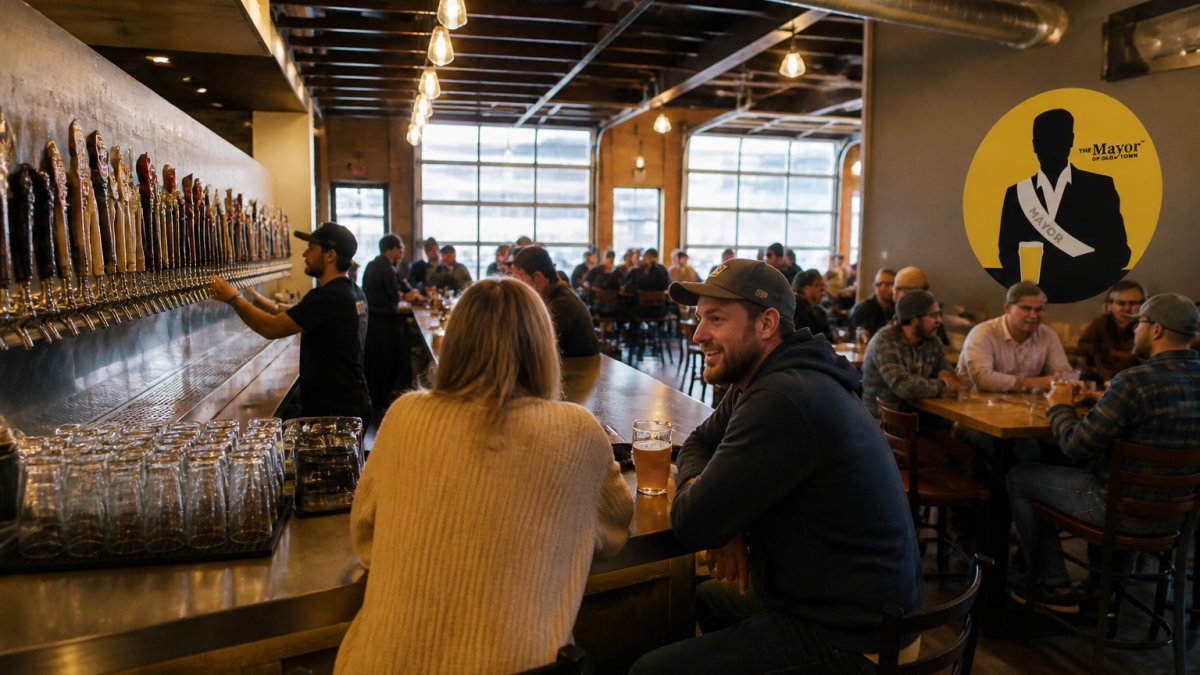
Start with a direct search: “bars with rotating beer taps near me” or “craft beer bars [your area].” Google Maps and Yelp both show results with beer-focused venues.
Look for bars that mention:
- “100+ taps” or “rotating selection”
- “Craft beer” or “craft brewery” in their description
- Frequent updates to their tap list
- High ratings from beer enthusiasts
Check their websites and social media. Bars that post updates about new arrivals or upcoming releases are actively managing their rotating beer taps. That’s a good sign.
Read reviews specifically about beer selection. Look for comments like “always something new” or “great rotating selection.” Skip places where reviewers complain about stale or limited options.
Evaluating a Tap List for Quality and Variety
Not all rotating beer taps are created equal. A bar with 50 taps of the same basic styles is less interesting than one with 20 taps showcasing diverse breweries and beer types.
When you’re evaluating a tap list, look for:
- Variety of styles: IPAs, sours, wheat beers, stouts, lagers, experimental brews
- Local and regional breweries: Bars that feature local craft beer support their community
- Limited releases and rare finds: Special editions show the bar seeks out interesting selections
- Known quality breweries: If you recognize names from respected breweries, the bar has good taste
A strong rotating beer taps selection balances popular styles (IPAs, pale ales) with adventurous options (sours, barrel-aged beers, experimental flavors). This keeps regular customers happy while attracting beer connoisseurs looking for something new.
Discover Local Breweries and Seasonal Beer Offerings
One of the best parts of hunting rotating craft beer taps is discovering local breweries you didn’t know existed. But “follow them on social media” is not a process. Here is a repeatable one.
Build a Watchlist of Local Breweries
Start by identifying the breweries within a reasonable drive of you. The Brewers Association maintains a searchable directory of independent craft breweries, and most state guilds publish their own member lists (Official brewery directory, curated by the Brewers Association). Pull 10 to 15 names into a simple note or spreadsheet. For each one, capture:
- Their taproom address and hours
- Their website’s “find our beer” or “on tap” page URL
- Their Instagram and Facebook handles
- Whether they distribute kegs or only pour on-site
Breweries that self-distribute locally tend to show up on more rotating tap lists than those that only pour at their own taproom. That distinction alone will save you wasted searches.
Use the Right Search Phrases
Generic searches return generic results. Try these instead:
"tap takeover" [city] [month]"new beer release" [brewery name]"on tap now" [neighborhood]site:instagram.com [brewery name] tap list
The -chain exclusion filters out national restaurant chains that list a rotating tap but rarely change it.
Follow the Distribution Trail
When a brewery you like posts “now pouring at” a bar, that bar is a candidate. Save it. Over a few weeks you will build a map of which venues consistently carry the breweries you want. Cross-reference that list against the tap list apps from the previous section, venues that appear in both are your highest-probability stops.
Seasonal Timing
Seasonal beer offerings rotate with the calendar, and knowing the pattern helps you plan:
- Late winter to early spring: barrel-aged stouts, barleywines, and dark strong ales taper off
- Spring: maibocks, saisons, and lighter pale ales arrive
- Summer: wheat beers, fruit-forward sours, and session IPAs dominate
- Fall: fresh-hop and wet-hop ales, Oktoberfest lagers, and pumpkin styles
If a specific seasonal release is your target, check the brewery’s release calendar and then check the venue’s tap list the same week. Fresh-hop beers in particular have a very short window, often two to three weeks, before they are gone.
Attend Events That Concentrate Variety
Tap takeovers, brewery anniversaries, and regional beer festivals put many rotating selections in one place. A tap takeover typically features 6 to 12 beers from a single brewery, including limited releases that never hit general distribution. These events are announced on brewery social accounts and on venue event calendars, usually one to three weeks ahead.
What to Look for When Evaluating a Rotating Tap Selection
Beyond just counting taps, a truly excellent rotating craft beer taps selection reflects intentional curation.
Look for bars that:
- Update their tap list regularly (daily or weekly)
- Feature different breweries each month
- Balance popular styles with experimental brews
- Stock rare or hard-to-find beers
The best taproom and bar experiences come from places that treat their beer list like a living, evolving menu.
Ask staff about their selection process. Bars that actively seek out new breweries and styles show they care about rotating beer taps quality.
Plan Your Visit: Timing, Wait Times, and Accessibility
Timing matters when you’re hunting for specific beers. Peak hours mean crowded bars, longer waits, and popular beers running out faster. But timing is only one input. Here is how to plan a visit that actually gets you the beer you came for.
Verify Before You Go
A tap list posted this morning can be stale by evening. Before you leave, confirm three things:
- Is the beer still pouring? Call and ask specifically for the beer name, not the style. “Do you still have the [brewery] [beer name]?” gets a yes or no. “Do you have any IPAs?” gets a guess.
- When does the next rotation happen? If a keg is close to kicking, staff usually know. Ask if it is likely to last the evening.
- Is there a wait or a cover? Some venues charge a cover on event nights or hold tables for reservations. Knowing this ahead of time prevents surprises.
Choose Your Window
- Weekday afternoons (2-5 PM): quietest, best for talking with staff about the tap list
- Early evenings before 6 PM: still calm, full selection usually intact
- Friday and Saturday after 8 PM: busiest, highest risk of popular kegs kicking
- Sunday afternoons: moderate crowds, good for relaxed tasting
If a limited release is your target, go on the day it taps, not the weekend after. High-ABV and barrel-aged releases often last longer than session beers because people drink them in smaller pours.
Plan for Responsible Tasting
Rotating tap lists encourage trying multiple beers, which makes pacing and transportation planning part of the visit, not an afterthought.
- Order tasting flights or half pours when available. Many taprooms offer 4 to 6 small pours, which lets you sample more without overdoing it.
- Eat before or during. Most venues with strong tap lists also have food or allow food from nearby. Check the venue’s policy before you arrive.
- Arrange transportation in advance. Rideshare, transit, or a designated driver. Do not leave this to the end of the night.
- Track your pours. Apps like Untappd let you log each beer, which doubles as a pacing tool and a record of what you liked.
- Set a cutoff. Decide before you go how many pours you will have, especially if you are driving later.
Check Accessibility and Logistics
Before committing to a venue, confirm:
- Parking: lot, street, or paid garage, and how far the walk is
- Transit: nearest bus or rail stop and last-service time
- Wheelchair access: entry, restrooms, and seating
- Seating type: bar stools, high-tops, tables, or standing room only
- Noise level: matters if you want to talk through the tap list with staff
A quick look at the venue’s website or a phone call covers all of this in under five minutes.
Frequently Asked Questions
What is the best way to find bars with rotating craft beer taps near me?
Start with tap list apps and websites that track rotating selections at local venues, then verify current offerings by calling ahead. Search for ‘craft beer bars’ or ‘taprooms’ in your area online, check their websites or social media for tap list updates, and read reviews from other enthusiasts. Many bars post their current tap lists on Instagram or their own pages, making it easy to see what’s available before you visit.
How often do beer taps rotate at most bars?
Rotation frequency varies significantly. Some bars rotate taps weekly or even more frequently, while others change selections every two to three weeks. Seasonal beer offerings typically rotate with the seasons. High-volume venues with large tap counts often rotate more frequently to maintain variety and customer interest. The best approach is to ask the venue directly or check their social media and website for their specific rotation schedule.
What should I look for on a current craft beer tap list?
Look for a mix of beer styles (IPAs, sours, wheat beers, limited releases) rather than repetition of the same style. Check for local and regional breweries alongside national brands, which indicates thoughtful curation. Note the tap count—more taps generally mean greater variety. Pay attention to limited-release and seasonal offerings, which signal that the venue actively seeks new and exclusive beers. Quality taprooms balance popular styles with rare finds.
How can I find new and limited-release beers on tap?
Follow local breweries and taprooms on social media, where they announce new releases and exclusive offerings. Join beer clubs or enthusiast groups that share tap updates. Visit venues known for rotating taps frequently, as they’re more likely to feature limited releases. Check tap list apps regularly to spot rare beers as they appear. Building relationships with bar staff helps—they can alert you to upcoming limited releases and special arrivals.