
Last Updated: October 23, 2026
Quick Summary
Food variety at local craft bars works best in three tiers: shareable starters, substantial mains, and flexible snacks, so one bar can host a first date, a family dinner, and a late-night crew. A strong menu keeps pace with the beer list, and tighter menus of fewer, better dishes are now the trend.
- Most menus fail by skipping the middle tier between bar snacks and big plates.
- Call ahead if it’s past 9 p.m. and you’re counting on a full menu.
- With 100 rotating beers on tap, build the menu on pairing flexibility using salt, fat, and acid.
- Order by weight: light beers with light dishes, heavy beers with rich ones.
- Order one main per two people when grazing, and leave room for a late plate.
Table of Contents
- Why Food Variety at Local Craft Bars Matters More Than Ever
- The Building Blocks of Craft Bar Food Variety
- Are Late Night Food Options Available in Old Town?
- Upscale Pub Food Menu Trends Shaping Craft Bar Kitchens
- How a Rotating Beer List Shapes the Food Menu
- Signature Dishes and Standout Plates at Local Craft Bars
- How to Order Well at a Craft Bar, Whether You Drink Beer or Not
- Conclusion
- Frequently Asked Questions
Why Food Variety at Local Craft Bars Matters More Than Ever
Food variety at local craft bars has become the deciding factor between a spot you visit once and one that becomes your regular. At The Mayor of Old Town, we’ve watched that shift happen in real time over 15 years of pouring beer in Fort Collins. People no longer pick a bar on the strength of its taps alone. They want a full evening: a few shared plates, a proper main, something to nibble on at 10 p.m.
The old model was simple. A bar sold beer, maybe kept a fryer going, and that was that. That model is gone. Colorado’s craft beer scene is crowded, and a 100-tap list is no longer a novelty on its own. What separates a great night out from a forgettable one is whether the kitchen can keep pace with the bar.
Below, we’ll break down how a strong food menu is built, what separates shareable starters from real mains, and how to order well whether you drink beer or not.
The Building Blocks of Craft Bar Food Variety
A great craft bar menu is built in three tiers: shareable starters, substantial mains, and flexible snacks. Each tier serves a different kind of visit, and a bar that nails all three can host a first date, a family dinner, and a late-night crew in the same evening.
Most menus fail by skipping the middle tier. They offer plenty of bar snacks and a couple of big plates, with nothing in between for someone who wants a real meal without the full production.
Shareable Starters and Small Plates
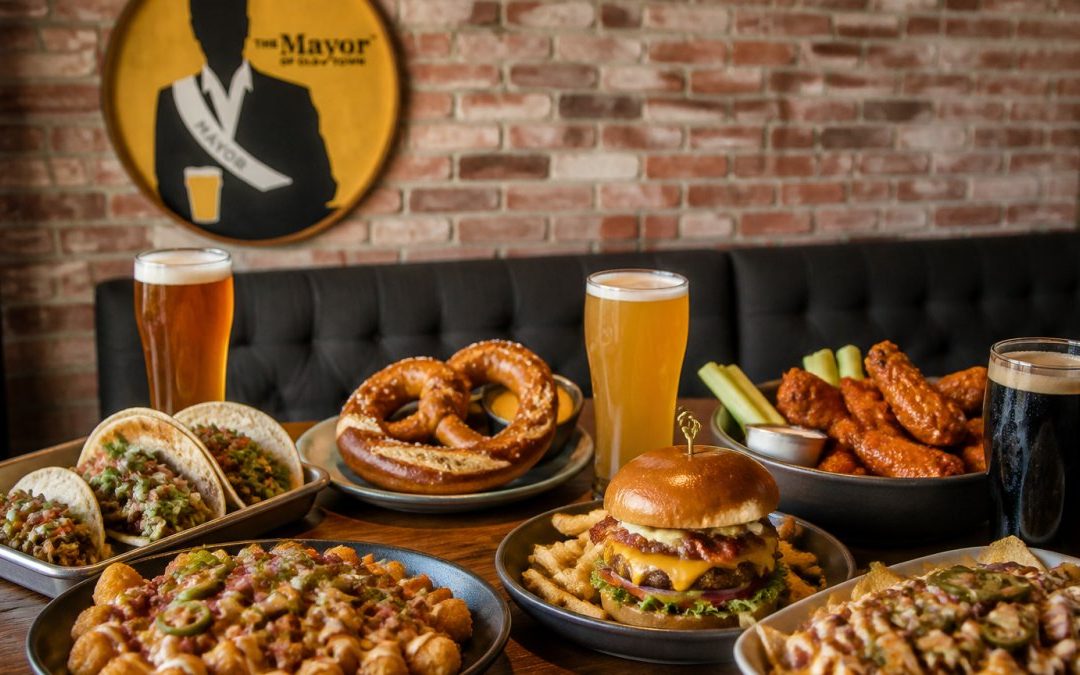
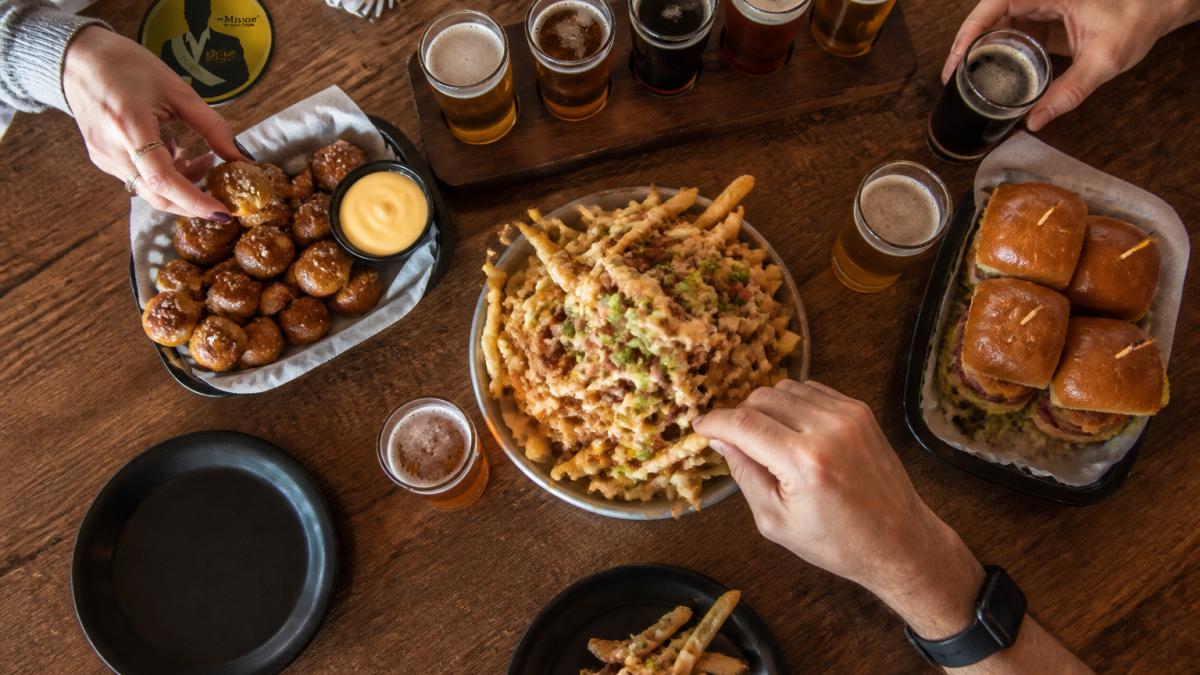
Starters set the tone for the whole table. Soft pretzels with beer cheese, loaded fries, wings, sliders, and seasonal vegetable plates do the heavy lifting at most craft bars, and for good reason: they pair with almost any beer style and encourage conversation.
The best versions of these dishes share one trait. They’re built to be eaten slowly. A plate that goes cold in five minutes doesn’t belong on a craft bar menu.
Mains That Hold Their Own Against the Beer List
A burger, a fried chicken sandwich, a steak plate, a hearty salad: these are the dishes that turn a beer stop into dinner. The test is simple. Can the main hold its own against a hoppy IPA or a dark stout without being drowned out? If the kitchen is cooking with beer pairings in mind, it usually can.
Snacks, Sides, and Late-Night Plates
Sides and small plates are where menus get flexible. Roasted vegetables, house-made chips, mac and cheese, a warm pretzel, and a rotating seasonal side give groups room to graze. These plates matter most after 9 p.m., when the appetite shifts from dinner to something to share over one more round.
The three-tier structure is the single most useful way to judge a craft bar menu. Plenty of snacks plus one big plate is a warning sign. All three tiers covered, and you can build any kind of evening you want.
Are Late Night Food Options Available in Old Town?
Yes. Late night food options in Old Town are widely available, and the range is broader than most visitors expect. Fort Collins has a strong late-night culture thanks to the student population and the downtown foot traffic, and craft bars have adjusted their kitchens accordingly.
The key distinction is between a kitchen that stays open and a kitchen that actually serves late. Some spots keep the fryer running until close. Others shut the kitchen down an hour or two before last call. If you’re planning around food, it’s worth checking service hours before you commit to a destination.
Our advice: call ahead if it’s past 9 p.m. and you’re counting on a full menu. A quick call saves a disappointing walk down College Avenue.
Upscale Pub Food Menu Trends Shaping Craft Bar Kitchens
Upscale pub food menu trends have moved decisively toward fewer, better dishes. Instead of a 60-item menu that stretches the kitchen thin, craft bars are running tighter menus built around a handful of dishes done consistently well.
That shift shows up in a few places. Ingredients are more local. Sourcing is talked about openly on menus. Presentation has gotten more intentional. A plate of loaded fries now arrives with house-made pickles and a sauce the kitchen actually makes. This elevated attention to detail mirrors the culinary philosophy long championed by every local mom and pop establishment that has anchored our neighborhoods for generations.
The result is a menu that reads like a restaurant’s, even when the setting is a bar with 100 taps. For guests, that means better food and a shorter wait for it. For the kitchen, it means less waste and more consistency. It’s a trade that favors everyone.
How a Rotating Beer List Shapes the Food Menu
A rotating beer list forces a kitchen to think differently. With 100 rotating beers on tap, the menu changes constantly, and the food has to work across many flavors: bright and citrusy pilsners, bitter IPAs, roasty stouts, sour ales, and Belgian styles.
The practical answer is a menu built on pairing flexibility. Dishes that lean on salt, fat, and acid work with nearly any beer. A burger and a hoppy IPA, pretzels and a lager, a chocolate-heavy dessert and a stout: these pairings hold up because the food isn’t fighting the beer.
When you’re pairing with an unfamiliar beer, order by weight. Light beers go with light dishes, heavy beers with rich ones. A delicate salad disappears next to a barrel-aged stout, and a heavy braise overwhelms a crisp pilsner.
Signature Dishes and Standout Plates at Local Craft Bars
Signature dishes are what people come back for, and at craft bars they tend to fall into a few recognizable categories. The house burger, the beer-battered plate, the pretzel and beer cheese, the seasonal special that rotates through the menu.
What makes a plate a signature isn’t complexity. It’s consistency. A dish that tastes the same on a Tuesday in February and a Saturday in July becomes the thing your group orders without discussing it.
At The Mayor of Old Town, our menu covers all three tiers, from shared starters to mains that stand up to the beer list. Our kitchen is built for the kind of evening where the food and the beer get equal attention, whether you’re here for one round or staying until close.
How to Order Well at a Craft Bar, Whether You Drink Beer or Not
You don’t need to be a beer drinker to eat well at a craft bar. Plenty of guests come for the food, the company, or the patio, and the right ordering strategy works regardless of what’s in your glass.
Here’s how we’d approach it:
- Start with two or three shareable plates for the table. Pretzels, fries, wings, or sliders give everyone something to reach for while drinks arrive.
- Ask what’s rotating. A bartender who knows the list can point you toward a pairing that fits what you ordered.
- Order one main per two people if you’re grazing. It keeps the table full without piling up leftovers.
- Leave room for a late plate. A snack after 9 p.m. is part of the experience, not an afterthought.
- Ask about non-beer options. Craft bars increasingly stock wine, cider, and non-alcoholic pours alongside the taps.
The most common ordering mistake is treating the menu like a restaurant menu and ordering a full main per person. At a craft bar, the table shares more and eats slower. Order light to start, then add as the evening goes.
Conclusion
The hardest part of a craft bar night is choosing what to order when the menu and the beer list both look good. The Mayor of Old Town pairs 100 rotating beers on tap with a full food menu, a beautiful patio, and a laid-back atmosphere that’s been a local staple for over 15 years. We’re locally owned and family operated, and we built the place for exactly this kind of evening. Start your order online and we’ll have it ready when you arrive.
Frequently Asked Questions
What defines a modern gastropub menu?
A modern gastropub menu takes familiar pub staples and upgrades the ingredients and preparation: a burger made with locally sourced beef, fries cooked in duck fat, or a pretzel served with house-made beer cheese. The format stays casual, but the kitchen treats the food with the same care a sit-down restaurant would. Many craft bars also build their menus around the beer list, so dishes are chosen to pair well with a range of styles from light lagers to barrel-aged stouts.
Are late night food options available in Old Town?
Yes. Craft bars in Old Town keep their kitchens running later than most traditional restaurants, which makes them a practical stop when you want a real plate of food after a show or a late shift. The Mayor of Old Town pairs its 100 rotating taps with an extensive food menu, so you are not limited to a bag of chips with your last pour. Hours can vary by night, so check the current schedule before you head out.
How does a rotating beer list influence food menu design?
When taps rotate constantly, the kitchen cannot pair a single dish to a single beer and call it done. Instead, successful craft bar menus lean on flexible flavor profiles: salty and crispy snacks, rich and cheesy plates, and bright acidic sides that work across lagers, IPAs, sours, and stouts. The Mayor of Old Town’s 100 rotating beers mean the food menu has to be broad enough to pair with whatever is pouring that week, which is exactly why variety matters.
What are the most popular upscale pub food items?
The plates that show up most often on upscale pub menus are upgraded burgers, beer-battered fish and chips, soft pretzels with house cheese sauce, loaded fries, and shareable boards of charcuterie or roasted vegetables. Craft bars also lean into small plates like crispy Brussels sprouts, wings with house sauces, and flatbreads. These items share two traits: they are easy to share across a table and they pair well with a wide range of beer styles.
A great craft bar menu doesn’t ask you to choose between good food and good beer. It builds both around the same evening. Whether you’re planning a group night, a casual dinner, or a late plate after a show, The Mayor of Old Town has the taps, the kitchen, and the room to make it work. Check our online ordering to get started.
