
Last Updated: November 5, 2026
Quick Summary
The best craft beer styles for beginners are light, low-bitterness beers like blonde ale, cream ale, Kölsch, pilsner, and helles. Start with these approachable options, then move toward maltier ales, wheat beers, and dark beers as your palate adjusts. Ordering a small flight lets you compare them side by side.
- Start with lighter, cleaner styles instead of the hoppiest beer on the menu.
- Rate each beer on bitterness, body, and sweetness to narrow your choices quickly.
- Blonde ale is often the easiest first style to drink, with mild malt sweetness and little bitterness.
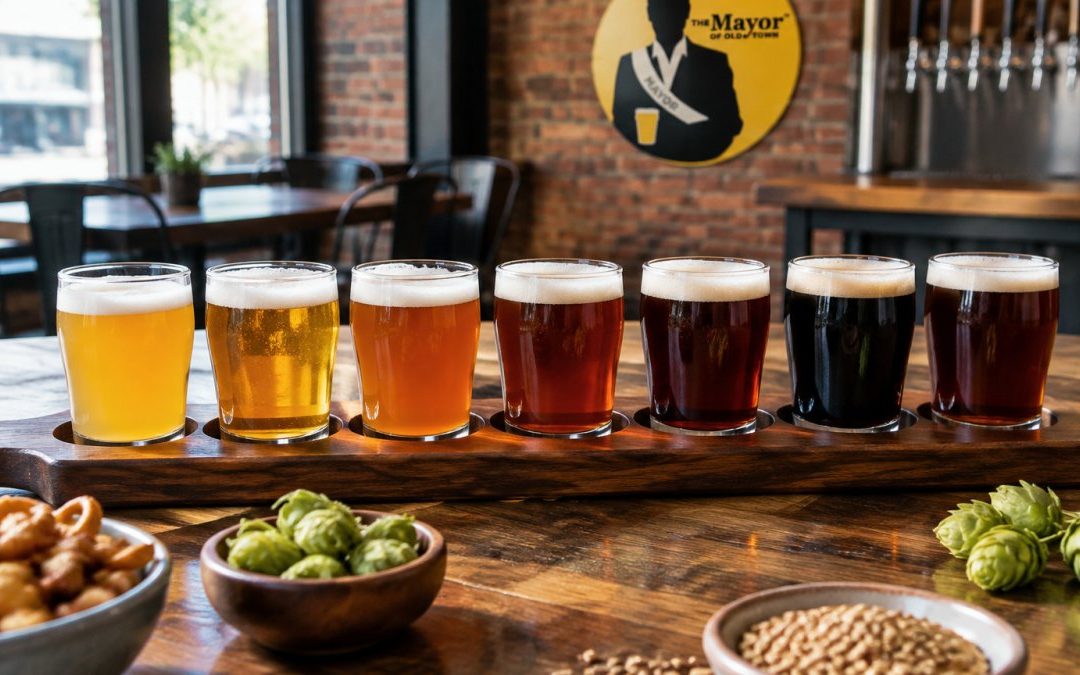
- Taste a flight in order from lightest to darkest so strong stouts don’t flatten delicate beers.
- Keep a simple phone note of styles you liked to build a personal guide over time.
Table of Contents
- Why Most Beginners Start With the Wrong Beer
- How to Read Bitterness, Body and Sweetness on a Beer Menu
- 1. Blonde Ale: The Easiest Beer to Drink for Beginners
- 2. Cream Ale and Kölsch: Light, Crisp and Forgiving
- 3. Pilsner and Helles: Clean Lagers for Newcomers
- 4. Hefeweizen and Witbier: Fruity Wheat Beers
- 5. Amber Ale and Brown Ale: Malt-Forward Starting Points
- 6. Milk Stout and Porter: Sweet Dark Beers That Taste Like Dessert
- 7. Making Your First Flight: A Practical Way to Explore
- Frequently Asked Questions
Why Most Beginners Start With the Wrong Beer
Walk into a craft bar cold and the menu can feel like a foreign language. IPA, sour, stout, saison, and the tap list keeps rotating. Most newcomers default to whatever sounds strongest or sweetest, then decide craft beer is not for them. The fix is simpler than it looks: start with a handful of approachable craft beer styles and build from there.
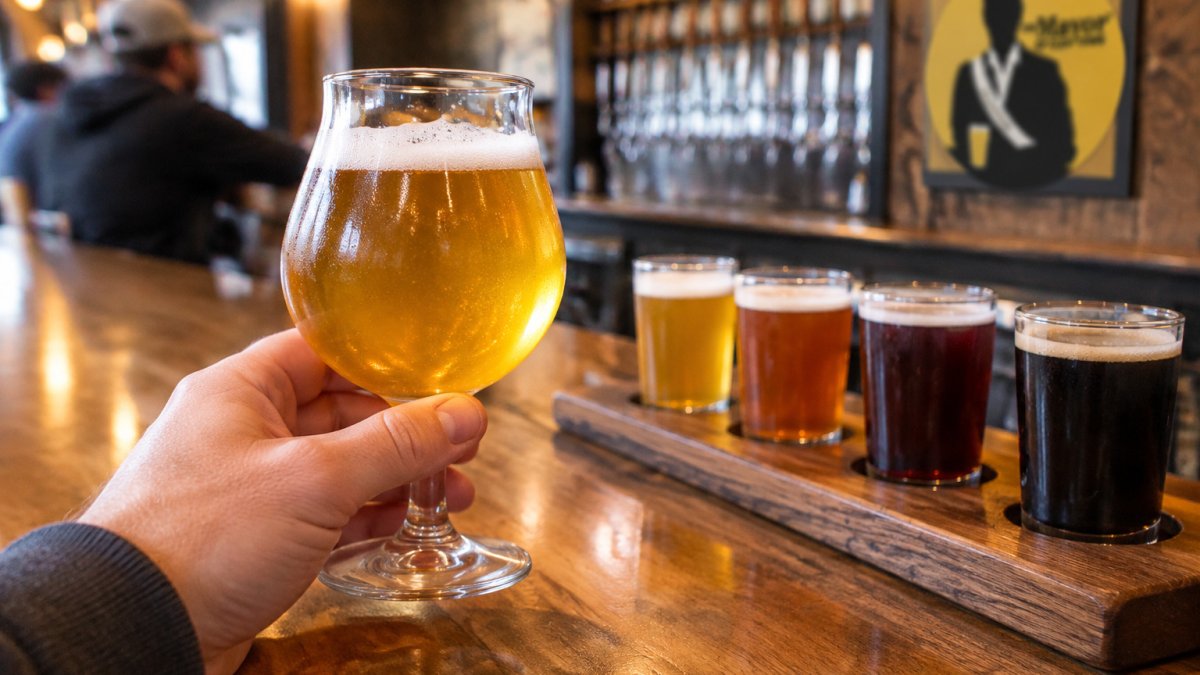
Here is the common mistake. Beginners often order the hoppiest beer on the list because it sounds like what “real” craft drinkers choose. Heavily hopped beers are bitter and intense, which can be off-putting at first. Start instead with lighter, cleaner styles and move toward bolder flavors as your palate adjusts. Your first pint should be enjoyable, not a test. As your palate adjusts, noticing how hops by beer style shape bitterness can help you choose bolder beers without turning each pint into a test.
How to Read Bitterness, Body and Sweetness on a Beer Menu
Most beer menus give you three clues: alcohol by volume (ABV), a style name, and a short description. ABV is a rough guide to strength and body across craft beer styles. Lower-ABV beers tend to feel lighter, while higher-ABV beers usually feel fuller and warmer. Bitterness comes mainly from hops, so words like “citrusy,” “piney,” or “bold” usually mean more bite.
A simple scale helps. Think of bitterness from one to five, body from light to full, and sweetness from dry to dessert-like. A blonde ale might sit low on bitterness and body with mild sweetness. A milk stout sits low on bitterness but high on body and sweetness.
To make that scale actually useful, compare styles on the same three axes rather than reading each description in isolation. A practical beginner framework looks like this:
- Bitterness (1-5): 1 is soft and malt-led (blonde ale, cream ale, helles); 3 is balanced with a clear hop presence (amber ale, pale ale); 5 is aggressively hop-forward (many IPAs). Pilsners often land around 2-3 because their hop character is dry and snappy rather than heavy.
- Body (light to full): Light styles clear the palate quickly (Kölsch, pilsner, witbier); medium styles feel rounder (amber ale, brown ale); full styles coat the tongue (milk stout, porter).
- Sweetness (dry to dessert-like): Dry finishes feel crisp and refreshing; sweet finishes linger. Milk stout and brown ale skew sweeter; pilsner and Kölsch skew dry.
ABV deserves its own line because it changes how a beer drinks. ABV varies widely between brewers, so check the label on each beer rather than relying on style alone. Higher-ABV beers usually feel fuller and warmer, and they also reward smaller pours.
Style names are shorthand, not promises. Two pilsners can differ noticeably in hop bite, and two milk stouts can differ in sweetness and body. Treat the style name as a starting expectation and the menu description as the tiebreaker.
Watch out: a low-bitterness style can still taste intense if it is high in alcohol or heavily roasted, so check ABV and body alongside the bitterness number before you commit to a full pour.
1. Blonde Ale: The Easiest Beer to Drink for Beginners
Blonde ale is often the first style we recommend to newcomers. It is pale, smooth, and mild, with gentle malt sweetness and very little bitterness. Many blonde ales are easy-drinking and crisp, which makes them a comfortable starting point. Blonde ale is widely regarded as an approachable choice.
Ask your server which blonde ale is on tap that day. Once you know what you like about it, you will have a reference point for the other styles on this list.
2. Cream Ale and Kölsch: Light, Crisp and Forgiving
Cream ale and Kölsch are two more gentle options. Cream ale is light, smooth, and slightly sweet, with a soft finish that makes it hard to dislike. Kölsch is a German-origin style known for a clean, crisp profile and a delicate fruity character. Both are light-bodied and low in bitterness, which makes them forgiving for drinkers who are still building a taste for beer.
These styles are also a good test for how carbonation and finish affect your enjoyment. Notice how quickly the beer clears your palate. That quick, refreshing finish is part of what makes it easy to keep drinking.
3. Pilsner and Helles: Clean Lagers for Newcomers
Pilsner and helles are both lagers, meaning they are fermented cold and conditioned for a clean taste. Pilsner tends to have a little more hop character, giving it a light, dry bitterness, while helles is softer, maltier, and rounder. Both are crisp and refreshing and rarely overwhelming. If you have only ever had mass-market lager, a well-made pilsner or helles from a craft brewer can show you how much more flavor a lager can carry.
If you want a practical way to compare, order a pilsner and a helles side by side. The difference between a drier, snappier lager and a smoother, sweeter one is a useful lesson in how a single ingredient choice changes the whole glass.
4. Hefeweizen and Witbier: Fruity Wheat Beers
Wheat beers are some of the most distinctive styles on the menu. Hefeweizen is a German wheat beer known for banana and clove aromas, a soft body, and a cloudy appearance. Witbier is a Belgian style often brewed with orange peel and coriander, giving it a bright, citrusy character. Both are light, refreshing, and low in bitterness, so they tend to appeal to drinkers who like fruity flavors.
Wheat beers are also a good fit for warm days and lighter meals. Their fruity aroma makes them easy to sip slowly, and they often pair nicely with salads, seafood, and spicy dishes.
5. Amber Ale and Brown Ale: Malt-Forward Starting Points
Amber ale and brown ale bring more malt flavor into the mix. Amber ales usually show caramel and toasty notes with moderate hop bitterness, creating a balanced middle ground. Brown ales are often nutty and slightly roasted, with a smooth finish and lower bitterness. They offer more depth than blonde ale without the intensity of a stout, which makes them a natural next step for drinkers ready to explore richer flavors.
When you order one of these, pay attention to the balance between malt sweetness and hop bite. That balance is the core skill of tasting craft beer, and these styles make it easy to notice.
6. Milk Stout and Porter: Sweet Dark Beers That Taste Like Dessert
Dark beers can seem intimidating, but milk stout and porter are often surprisingly approachable. Milk stout is creamy and sweet, with notes of chocolate, coffee, and roasted malt, and it is low in bitterness. Porter is similar but often a little drier and more roasty. Both have a fuller body than most beers on this list, so they feel rich and satisfying, almost like dessert.
Sip these slowly. Their flavor builds as the beer warms slightly, and a small pour is often enough. They also pair well with dessert or a shared plate of something rich.
7. Making Your First Flight: A Practical Way to Explore
The easiest way to put this list into practice is to order a flight, a set of small pours of different styles. Start with one light style, one wheat beer, one malt-forward ale, and one dark beer. Compare them in that order, noting bitterness, body, and sweetness as you go. Your favorites will become clear quickly.
A flight works best when you taste with a method instead of just drinking. Use this four-step sequence for each pour:
- Aroma first. Swirl gently and smell before you sip. Wheat beers often show banana and clove; pilsners show a clean, grainy note; stouts show roast and chocolate. Naming what you smell builds your vocabulary fast.
- First sip and carbonation. Notice whether the beer feels fizzy and sharp or soft and creamy. High carbonation makes a beer feel lighter and more refreshing; low carbonation makes it feel fuller.
- Mid-palate flavor. Ask whether malt or hops leads. Blonde ales and helles are malt-led; pale ales and pilsners show more hop character; stouts and porters are roast-led.
- Finish. Pay attention to what lingers after you swallow. A dry, quick finish feels crisp; a sweet or bitter finish lingers. That finish is often what decides whether you want a second pour.
Ordering a flight is also a chance to practice tap-list reading. Ask your server whether a small sample is available before committing to a full pour. When you read a tap list, scan left to right for style, ABV, and any short descriptor, then use the bitterness, body, and sweetness scale from the previous section to rank what you want to try.
Keep a simple note on your phone with the style name and what you liked. Over a few visits, you will build a personal guide that beats any generic list. Bring friends, ask your server for recommendations, and treat every pour as a chance to learn something new.
Watch out: tasting four or five pours in a row can dull your palate, so start with the lightest, driest beer and finish with the darkest or sweetest. If you reverse the order, the roast and sweetness of a stout can make a delicate pilsner taste thin and flavorless.
Frequently Asked Questions
What are the best types of beer for beginners?
Blonde ale, cream ale, pilsner, hefeweizen and American pale ale are common starting points because they are light in body, moderate in bitterness and easy to describe. Blonde ale and cream ale tend to be the mildest. Pilsner gives a clean, crisp profile, while hefeweizen adds banana and clove notes that make it feel familiar. Ordering a small pour of two or three of these at a bar lets you compare them directly and find the flavors you prefer before committing to a full pint.
What is the easiest beer to drink for beginners?
For most new drinkers, blonde ale is the easiest beer to drink. It has a light body, low bitterness and a soft malt sweetness, with little of the sharp hop bite that puts many people off. Cream ale is similarly smooth. If you want a little more flavor without intensity, a Kölsch or a helles lager works well. Starting with low-bitterness styles and moving toward hoppier beers gradually is the most reliable way to build a palate for craft beer.
What is the difference between an ale and a lager?
Ales are typically fermented with top-fermenting yeast at warmer temperatures, which tends to produce fruitier, more complex flavors. Lagers use bottom-fermenting yeast at cooler temperatures and usually taste cleaner and crisper. Pilsner and helles are lagers, while blonde ale, amber ale and pale ale are ales. Neither category is better than the other. Ales often suit drinkers who like bold flavor, and lagers suit those who prefer a clean, refreshing finish.
How do I choose a craft beer if I do not like bitter flavors?
Look for styles that are described as malty, smooth or low in hop character. Blonde ale, cream ale, Kölsch, hefeweizen and milk stout all tend to have low perceived bitterness. Bitterness is also influenced by the alcohol content and body, so a full-bodied sweet beer can taste less bitter than a light one with more hops. When ordering, ask the bartender which beers on tap have the lowest hop intensity, since menus do not always state it.
Whether you are new to craft beer or just looking to expand your palate, the best way to start is by tasting widely and trusting your own preferences. Stop by The Mayor of Old Town in Fort Collins, where a rotating selection of 100 beers on tap gives you plenty of room to explore these styles and find your next favorite.
